
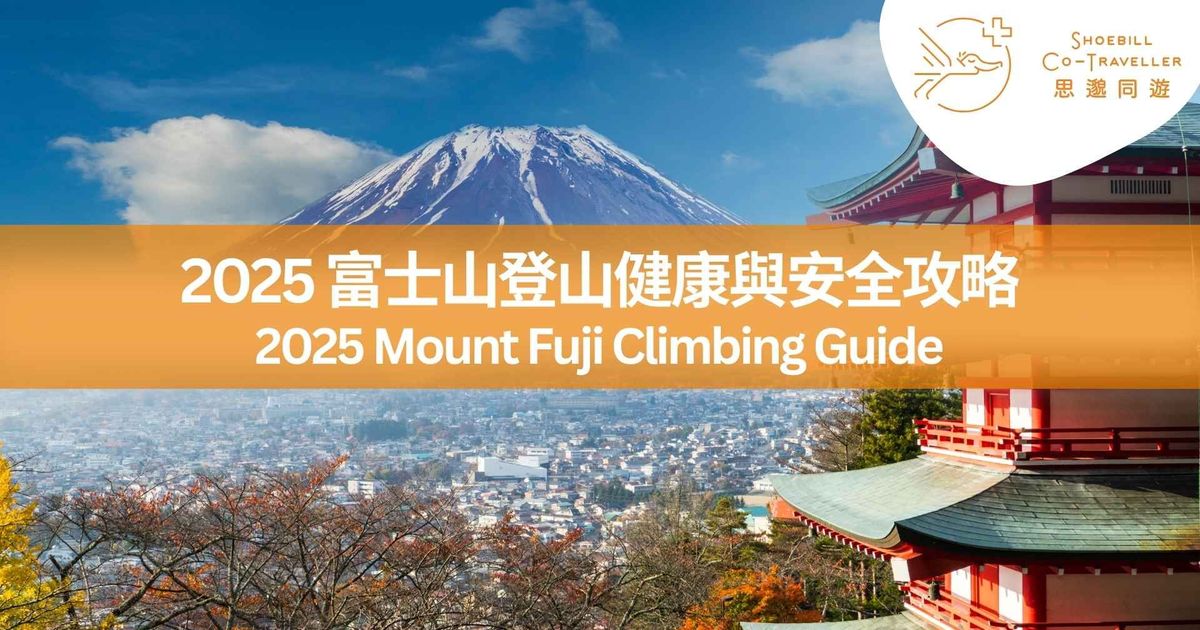
Latest Rules and Important Notices for Mount Fuji 2025 Climbing Season
- Climbing Season: The 2025 climbing season runs from early July to early September, during which all mountain trails and facilities are fully open.
- Climbing Fee: A fee of 4,000 yen per person applies to all four major climbing routes.
- Reservation Requirement: All climbers must make advance reservations and payment through the official website; please pay attention to official announcements.
- Entry Time Restriction: Entry without a mountain hut reservation is restricted between 14:00 and 3:00 the next day each day.
- Mountain Hut Reservation: It is essential to book mountain huts in advance to avoid overnight "bullet climbs," ensuring safety and sufficient rest.
Overview of the Four Major Climbing Routes
| Route Name | Features | Suitable For |
|---|---|---|
| Yoshida Trail | Many mountain huts, well-equipped facilities | Beginners, sunrise watchers |
| Fujinomiya Trail | Shortest distance, steeper incline | Experienced climbers |
| Subashiri Trail | Scenic views | Nature lovers |
| Gotemba Trail | Longest and most challenging | Physically fit, experienced climbers |
Climbing Gear and Health Preparation
Essential Gear List
Mount Fuji’s weather can change drastically with sudden heavy rain, strong winds, and low temperatures. Therefore, preparation is key:
- Sturdy, non-slip hiking boots
- Windproof and waterproof outer jacket
- Fleece jacket or lightweight down jacket
- Merino wool or polyester moisture-wicking shirt
- Hat, gloves, thick socks
- Waterproof hiking pants
- Hiking pants
- Headlamp with spare batteries
- Trekking poles
- At least 3 liters of drinking water
- High-energy snacks (such as energy bars, nuts, dried fruits)
- 100-yen coins (for paying toilets on the mountain)
- Spare toilet paper and portable toilet
- Personal medications and headache medicine
⚠️ Important Reminder: If your clothing becomes soaked by rain or sweat, your body temperature will drop rapidly, increasing the risk of hypothermia. Hypothermia can severely impair bodily functions and may be life-threatening. If you experience chills, numbness in your hands or feet, or slowed reactions, stop climbing immediately and evacuate urgently. Always carry waterproof gear and change into dry clothes whenever possible.
Knowledge and Prevention of Altitude Sickness (Acute Mountain Sickness)
What is Altitude Sickness?
Altitude sickness is caused by reduced oxygen availability at high elevations and commonly occurs above 2,500 meters. Mount Fuji’s summit is 3,776 meters high, where oxygen levels are about two-thirds of those at sea level. This low-oxygen environment poses a great challenge to the body, especially for climbers who start near the 5th Station (~2,300 meters) and ascend nearly 1,500 meters in a short time, which easily triggers altitude sickness.
Common Symptoms
- Headache
- Nausea, vomiting
- Insomnia
- Loss of appetite
- Difficulty breathing
- Flu-like symptoms
- Extreme fatigue or insomnia
Prevention and Management of Altitude Sickness
- Ascend slowly: Maintain a slow pace and avoid rapid climbs.
- Stay hydrated: The high-altitude air is dry and easy to cause dehydration. Drink at least 3 to 4 liters of water daily to maintain hydration, promote circulation, and oxygen delivery. Avoid alcohol and caffeinated drinks to prevent dehydration.
- Take regular rests: Rest for a few minutes every 30–40 minutes and monitor your condition.
- Eat a balanced diet: Consume high-carbohydrate foods (such as whole grains, vegetables, and fruits) to provide sustained energy to help the body use oxygen efficiently; avoid greasy foods to ease digestion.
- Avoid alcohol: Alcohol increases dehydration and risk of altitude sickness.
- Get enough sleep: Ensure sufficient rest before climbing.
- Proper use of preventive medications: Many mistakenly believe altitude sickness medication is for emergencies only. In fact, these medications must be taken before climbing to help the body adapt more quickly to high altitudes, promoting better acclimatization. Those who have experienced altitude sickness before should consult a professional travel health clinic for personalized advice on medication and prevention.
What to Do If You Develop Symptoms of Altitude Sickness?
- Stop immediately and rest while practicing deep breathing.
- If symptoms do not improve or worsen, descend to lower altitude without delay.
- Delayed treatment can lead to serious complications such as High Altitude Cerebral Edema (HACE) and High Altitude Pulmonary Edema (HAPE).
- If Acute Mountain Sickness (AMS) symptoms persist, the group should consider modifying the route or descending; continuing to ascend is strictly prohibited.
- Important reminder: Altitude sickness is unrelated to physical fitness; anyone can get it. Do not push through the symptoms!
Why Choose Our Travel Health Clinic?
Our clinic specializes in travel health services, offering expert vaccination advice and administration:
- Comprehensive Vaccine and Preventive Medication Options
- Professional Medical Consultation: Our healthcare team holds international travel medicine certifications and offers personalized advice based on your itinerary and health status.
- Convenient Appointment System: Enjoy transparent pricing and online booking services to save you time.
Conclusion
The magnificent scenery of Mount Fuji is worth every climber’s effort to experience firsthand, but health and safety must always come first. With proper preparation, adherence to regulations, and attention to altitude sickness prevention, you can reach the summit safely and create unforgettable memories. Wishing everyone a joyful and healthy 2025 Mount Fuji adventure!

![[Hong Kong International Travel Expo] Hong Kong's First Private Travel Health Management Center Featured on TVB](https://shoebill.sgp1.cdn.digitaloceanspaces.com/uploads/e7d3105fa21116fc7174f4dd0a55dc0e.jpg)